Is your child feeling big feelings?
Children

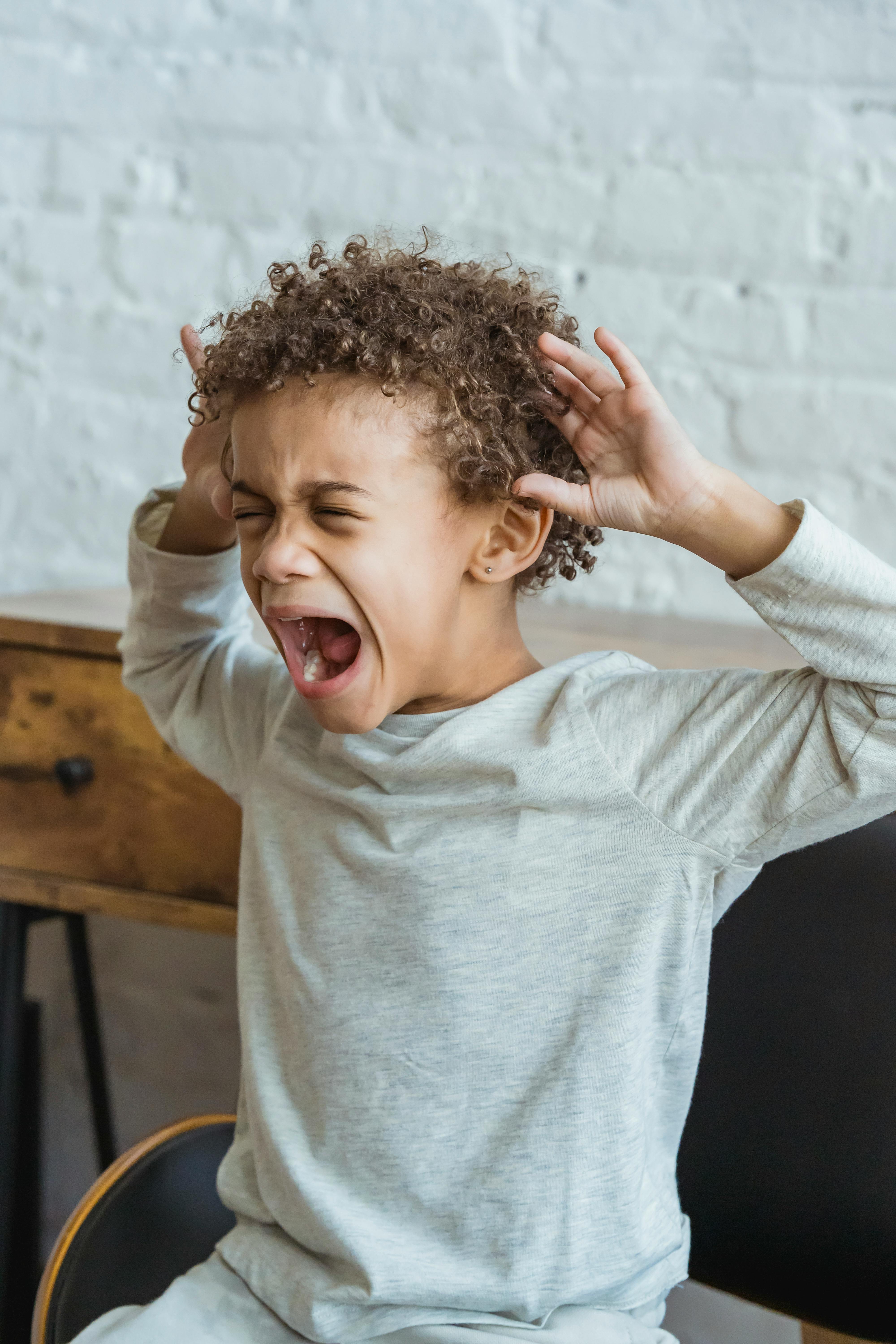
Children experience the world through their emotions. When they experience big feelings, it can take over the body and make it harder for them to think, speak, or stay regulated. These moments are not signs of something going wrong, rather they are moments that ask for presence, patience, and support. These intense feelings are a natural part of their development.
Sadness, anger, anxiety, excitement, frustration, and joy are examples of big feelings. They are referred to as "big" due to how strongly they are felt in the body and nervous system, not because they are bad.
Big emotions can be overwhelming for kids. The ability to comprehend emotions, regain composure, and express their needs is still developing in their brains. As a result, emotions are frequently expressed through actions rather than words.
This does not imply that kids are being difficult. Instead, it shows they are still learning.
When these intense emotions rise, the nervous system shifts into a state of alert. In these moments, the part of the brain that is responsible for reasoning, problem-solving, and impulse control becomes less accessible. Because of this, talking through solutions often does not work in the moment, and consequences do little to help regulate emotions. Children may appear unable to listen, respond, or process what is being asked of them.
All emotions serve a role:
- Sadness reflects loss, disappointment, or a need for comfort
- Anger often signals unmet needs or crossed boundaries
- Anxiety points to uncertainty or a need for safety
- Happiness and excitement create connection and shared joy
When feelings are dismissed, children lose the opportunity to understand what their emotions are communicating. When their feelings are acknowledged, children learn that emotions are safe and manageable.
Supporting big feelings does not mean removing boundaries or allowing unsafe behavior. It means addressing the emotional experience before trying to change the behavior.
Support can look like:
- Staying physically close
- Naming the emotion without judgment
- Speaking less and offering more presence
- Allowing the feeling to move through the body
Sometimes the most helpful response is simply staying calm and available. Regulation is learned through relationships, not through correction.
Big emotional moments can feel uncomfortable for adults as well. It is common to worry that emotions mean something has gone wrong or that support is not working.
In reality, children often express big feelings when they feel safe enough to do so. Emotional expression is a sign of trust. It shows that a child feels secure enough to share what is happening internally.


Nulla vitae elit libero, a pharetra augue. Duis mollis, est non commodo luctus, nisi erat porttitor ligula, eget lacinia odio sem nec elit. Cras mattis consectetur purus sit amet fermentum. Donec id elit non mi porta gravida at eget metus. Etiam porta sem malesuada magna mollis euismod.

Nulla vitae elit libero, a pharetra augue. Duis mollis, est non commodo luctus, nisi erat porttitor ligula, eget lacinia odio sem nec elit. Cras mattis consectetur purus sit amet fermentum. Donec id elit non mi porta gravida at eget metus. Etiam porta sem malesuada magna mollis euismod.


Children experience the world through their emotions. When they experience big feelings, it can take over the body and make it harder for them to think, speak, or stay regulated. These moments are not signs of something going wrong, rather they are moments that ask for presence, patience, and support. These intense feelings are a natural part of their development.
Sadness, anger, anxiety, excitement, frustration, and joy are examples of big feelings. They are referred to as "big" due to how strongly they are felt in the body and nervous system, not because they are bad.
Big emotions can be overwhelming for kids. The ability to comprehend emotions, regain composure, and express their needs is still developing in their brains. As a result, emotions are frequently expressed through actions rather than words.
This does not imply that kids are being difficult. Instead, it shows they are still learning.
When these intense emotions rise, the nervous system shifts into a state of alert. In these moments, the part of the brain that is responsible for reasoning, problem-solving, and impulse control becomes less accessible. Because of this, talking through solutions often does not work in the moment, and consequences do little to help regulate emotions. Children may appear unable to listen, respond, or process what is being asked of them.
All emotions serve a role:
- Sadness reflects loss, disappointment, or a need for comfort
- Anger often signals unmet needs or crossed boundaries
- Anxiety points to uncertainty or a need for safety
- Happiness and excitement create connection and shared joy
When feelings are dismissed, children lose the opportunity to understand what their emotions are communicating. When their feelings are acknowledged, children learn that emotions are safe and manageable.
Supporting big feelings does not mean removing boundaries or allowing unsafe behavior. It means addressing the emotional experience before trying to change the behavior.
Support can look like:
- Staying physically close
- Naming the emotion without judgment
- Speaking less and offering more presence
- Allowing the feeling to move through the body
Sometimes the most helpful response is simply staying calm and available. Regulation is learned through relationships, not through correction.
Big emotional moments can feel uncomfortable for adults as well. It is common to worry that emotions mean something has gone wrong or that support is not working.
In reality, children often express big feelings when they feel safe enough to do so. Emotional expression is a sign of trust. It shows that a child feels secure enough to share what is happening internally.
Tamar offers one-to-one DIR Floortime Therapy in-office and in-school. Sessions are held both indoors and outdoors with the incorporation of sensorimotor play to best support the child in social-emotional development. Parents are incorporated into 1:1 sessions to strengthen the parent-child relationship
It’s true that your child is different, they all are. With an approach like DIR Floortime, the childs’ individual differences are accounted for and sessions are fine tuned to the unique child. I use a multidisciplinary approach in all my sessions to better understand the root causes of behaviors and how to best address them. Forming a healthy relationship with the child and family is key in development. Giving parents the tools they need to practice strategies at home speeds up progress in meeting the goals we create together.


.jpg)


